

/ News, Research
New pathway identified for recognizing environmental pollutants relevant to gut metabolism and colitis development (Niess Lab)
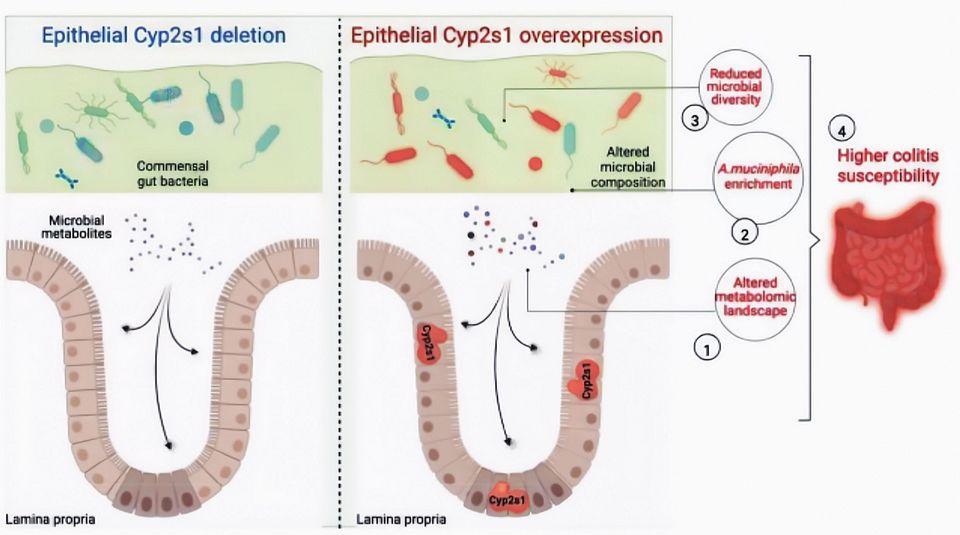
In their latest study, the Niess lab identified environmental modulation of gut metabolism and microbiome as a key factor in colitis susceptibility. Inflammatory Bowel Disease (IBD), which encompasses Crohn’s disease and ulcerative colitis, is a chronic condition resulting from an abnormal immune response in the gut, characterized by ongoing inflammation and tissue damage. The rise in IBD cases over the past few decades has been linked to lifestyle and environmental factors associated with industrialization, particularly a low-fiber, high-processed diet, widespread antibiotic use, and exposure to environmental pollutants. Despite advances in treatments, many patients still face unpredictable flare-ups and limited therapeutic options.
IBD etiology is complex and multifactorial, with environmental factors increasingly recognized as important triggers and modulators of the disease. Understanding how these compounds are broken down by intestinal enzymes is essential for identifying new molecular targets and designing interventions to prevent or reduce intestinal inflammation.
In this study, led by first author, Sara Dylgjeri, the Niess lab identified a novel cytochrome P450 Cyp2s1, regulated by the aryl hydrocarbon receptor (AhR), as a key regulator of intestinal homeostasis and inflammation by processing endogenous and exogenous substances. Using advanced mouse models and cutting-edge analyses of the gut’s metabolites and microbiome, we found that Cyp2s1 has a significant influence on the gut’s metabolic and microbial environment. Interestingly, when Cyp2s1 was overexpressed in intestinal epithelial cells, mice became more susceptible to colitis, demonstrating that precise regulation of this gene is crucial for maintaining intestinal health.
This study introduces a new pathway for how xenobiotics, microbial, and environmental substances are processed by epithelial cells, highlighting their importance in the development of colitis. These findings will lead to new, personalized treatments that enhance the quality of life for IBD patients.
Congratulations to all authors and contributors.