News

.
/ News, Research

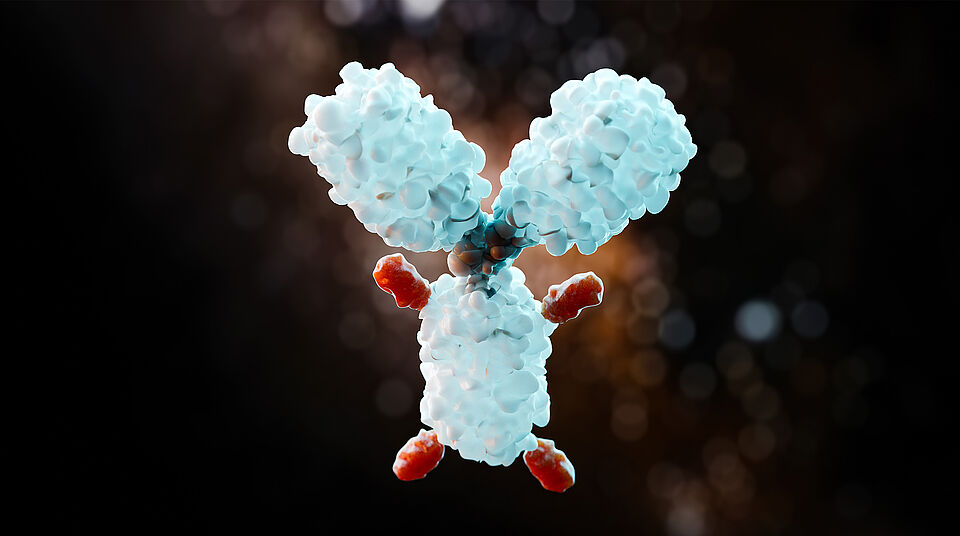
Single-amino acid variants in target epitopes can confer resistance to antibody-based therapies (Jeker Lab)

A research team led by Prof. Dr. Lukas Jeker and Dr. Rosalba Lepore have uncovered a surprising blind spot in modern immunotherapy: naturally occurring genetic variations in human proteins can block therapeutic antibodies from binding —…

.
/ News, Research

How gut bacteria can trigger autoimmune neuroinflammation (Pröbstel Lab)

The research teams of Professor Anne-Katrin Pröbstel in Basel and Bonn have discovered how certain gut bacteria can trigger autoimmune inflammation in the brain and spinal cord. Their study, published in Gut Microbes and first-authored by…

.
/ News, Research

New pathway identified for recognizing environmental pollutants relevant to gut metabolism and colitis development (Niess Lab)

In their latest study, the Niess lab identified environmental modulation of gut metabolism and microbiome as a key factor in colitis susceptibility. Inflammatory Bowel Disease (IBD), which encompasses Crohn’s disease and ulcerative…

.
/ News, Research

New study reveals glucocorticoid receptor activation suppresses estrogen receptor signaling and reduces metastatic burden (Bentires-Alj Lab)

A research team from our department has uncovered a surprising therapeutic potential of the commonly used synthetic glucocorticoid dexamethasone in advanced Estrogen Receptor–positive (ER+), HER2-negative breast cancer. The findings,…

.
/ News, Research

Inflammation rewires the bone marrow microenvironment long before leukemias develop (Zaugg Lab)

The bone marrow continuously produces new blood and immune cells through coordinated signals between stem cells, stromal cells, and immune regulators. Aging, inflammation, or mutations can disrupt this balance, allowing mutated stem cells…

To top