

/ News, Research
The Experimental Rheumatology Laboratory identifies self-amplifying immune loop in systemic sclerosis (Kyburz Lab)
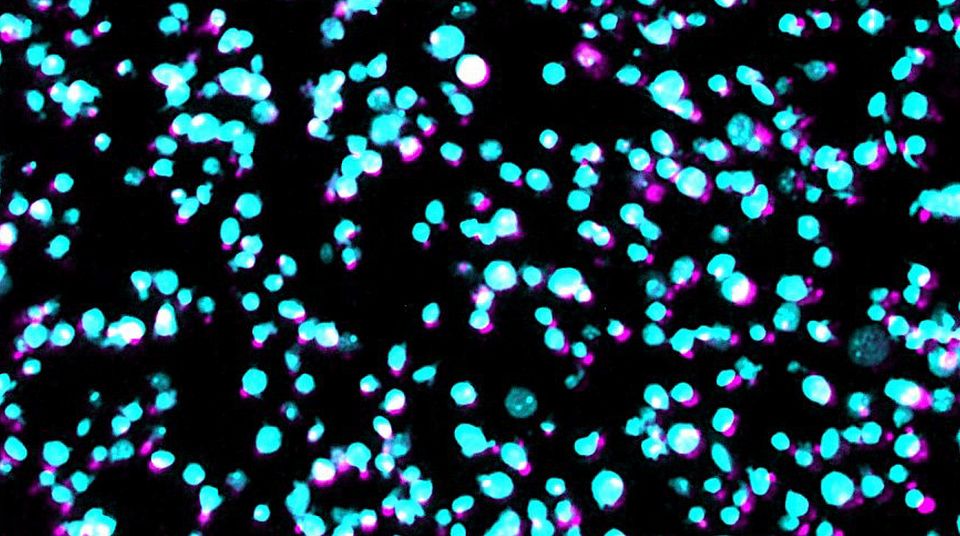
Researchers from the Experimental Rheumatology Laboratory at the Department of Biomedicine, University of Basel, have uncovered a previously unrecognized inflammatory feedback mechanism that may drive disease progression in systemic sclerosis, a severe autoimmune disease affecting the skin, blood vessels, and internal organs.
In a study published in Arthritis & Rheumatology, Giaglis and colleagues demonstrate that mitochondrial DNA (mtDNA) is dramatically elevated in the blood of systemic sclerosis patients, reaching levels more than 150-fold higher than in healthy individuals, highlighting a potential new marker of disease activity. The researchers further show that this mtDNA originates from the coordinated activation of platelets and neutrophils, two key innate immune cell types that cooperate to amplify inflammatory responses. Activated neutrophils release mtDNA through the formation of neutrophil extracellular traps (NETs), web-like structures that normally trap pathogens but can also fuel inflammation in autoimmune diseases. Importantly, the mtDNA is frequently oxidized, which increases its inflammatory potential.
The study also shows that mtDNA forms complexes with CXCL4, a chemokine released by activated platelets. These complexes act as potent immune stimulators, activating intracellular DNA-sensing pathways and triggering type I interferon responses, a key pathway known to be involved in systemic sclerosis. Together, these processes establish a self-amplifying inflammatory loop, in which mtDNA promotes NET formation and immune activation, which in turn leads to further mtDNA release helping to sustain chronic inflammation.
Interestingly, mtDNA levels were similar across different clinical subsets of systemic sclerosis and did not correlate with several clinical parameters, such as skin fibrosis or pulmonary arterial pressure. However, the researchers observed a negative association between circulating mtDNA levels and lung function, and patients with radiographic evidence of interstitial lung disease (ILD) - a major complication of systemic sclerosis - had significantly higher mtDNA levels than those without lung involvement, linking mtDNA specifically to pulmonary disease severity.
These findings suggest that circulating mitochondrial DNA may not only act as a driver of inflammation but could also serve as a potential biomarker for lung involvement in systemic sclerosis. Beyond improving our understanding of disease mechanisms, the results highlight specific pathways involved in mtDNA release, NET formation, and intracellular DNA sensing as potential intervention points in systemic sclerosis and related autoimmune conditions, opening new avenues for future treatment development.
“Our findings reveal a previously unappreciated interaction between key immune cells that can sustain inflammation,” said Stavros Giaglis, first author of the study. “By identifying mtDNA as both a driver and a potential biomarker, we open new possibilities for targeted therapies, particularly for patients with lung involvement.”